On a blustery morning in March 2021 I watched a 250 kW rooftop PV array drop 42% output in under an hour—data showed two inverter racks offline, and the site owner asked, bluntly, how to stop this happening again?
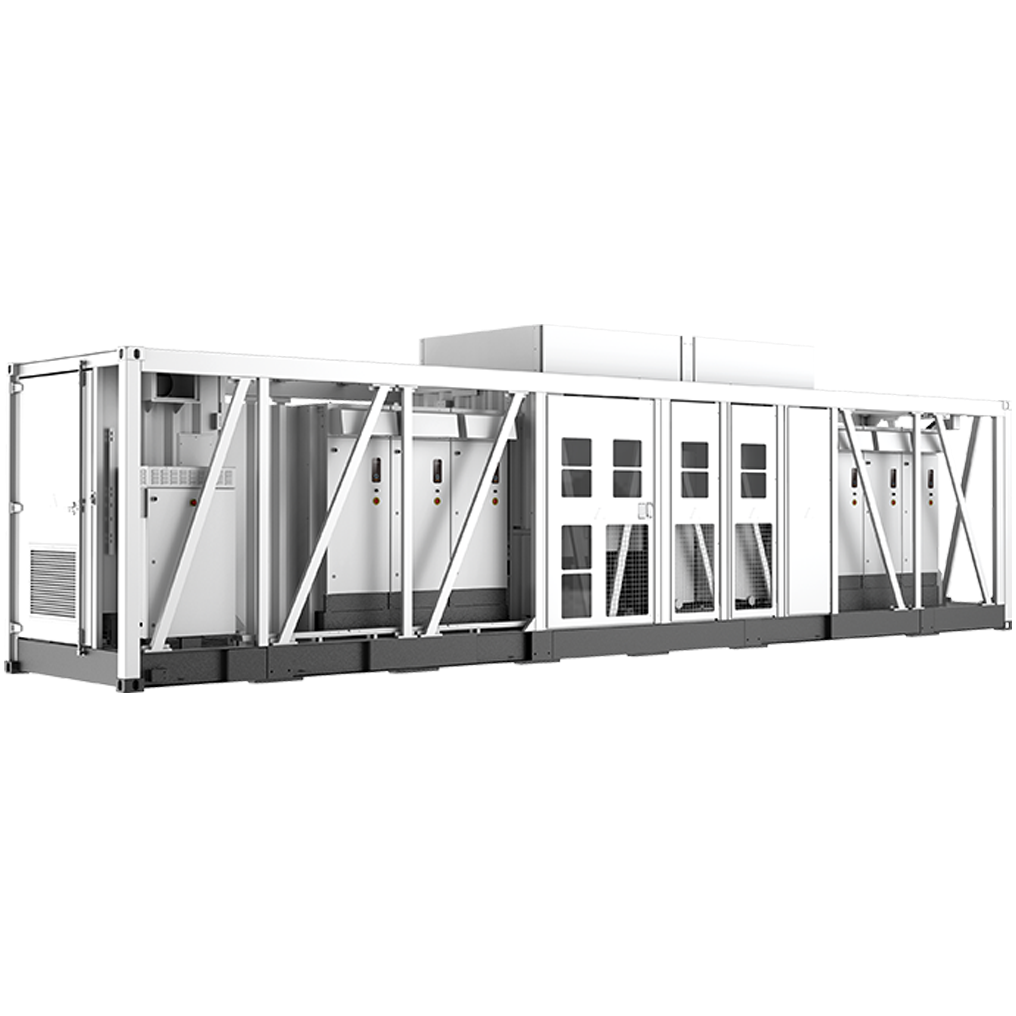
I was servicing a modular inverter system when a single modular inverter module tripped and the event cascaded across the DC bus (I remember the smell of fried capacitors). This article drills into why so many traditional fixes miss the mark and what to demand from your next design.
Why traditional solutions fail — the deeper pains I see
I’ve been purchasing and specifying power electronics for over 15 years, and I can say this plainly: many fixes treat symptoms, not architecture. Installers often add a larger string inverter or over-spec a transformer, thinking higher capacity cures instability. It doesn’t. In one Tel Aviv project (Ashdod port, March 2021) we swapped a single string inverter for a bigger unit and still faced islanding during rapid cloud transients; the core issue was topology and the lack of distributed MPPT controls. I vividly recall the test report — ramp-rate events caused unequal DC/AC conversion across strings, and the protection logic isolated healthy sections to protect a flawed bus design.
Hidden user pain points are practical: long repair windows because modules are soldered into inaccessible racks, procurement delays for obscure parts, and complex firmware updates that require vendor intervention. Redundancy on paper is not redundancy in practice when your inverter modules share a single point of failure—switchgear, control board, or communication gateway. Terms you should know: MPPT, islanding protection, grid compliance. I’ll be frank — spare-part strategy matters as much as advertised peak efficiency. Next: how to move from patchwork to purposeful design.
What’s Next?
Forward-looking fixes and what to specify
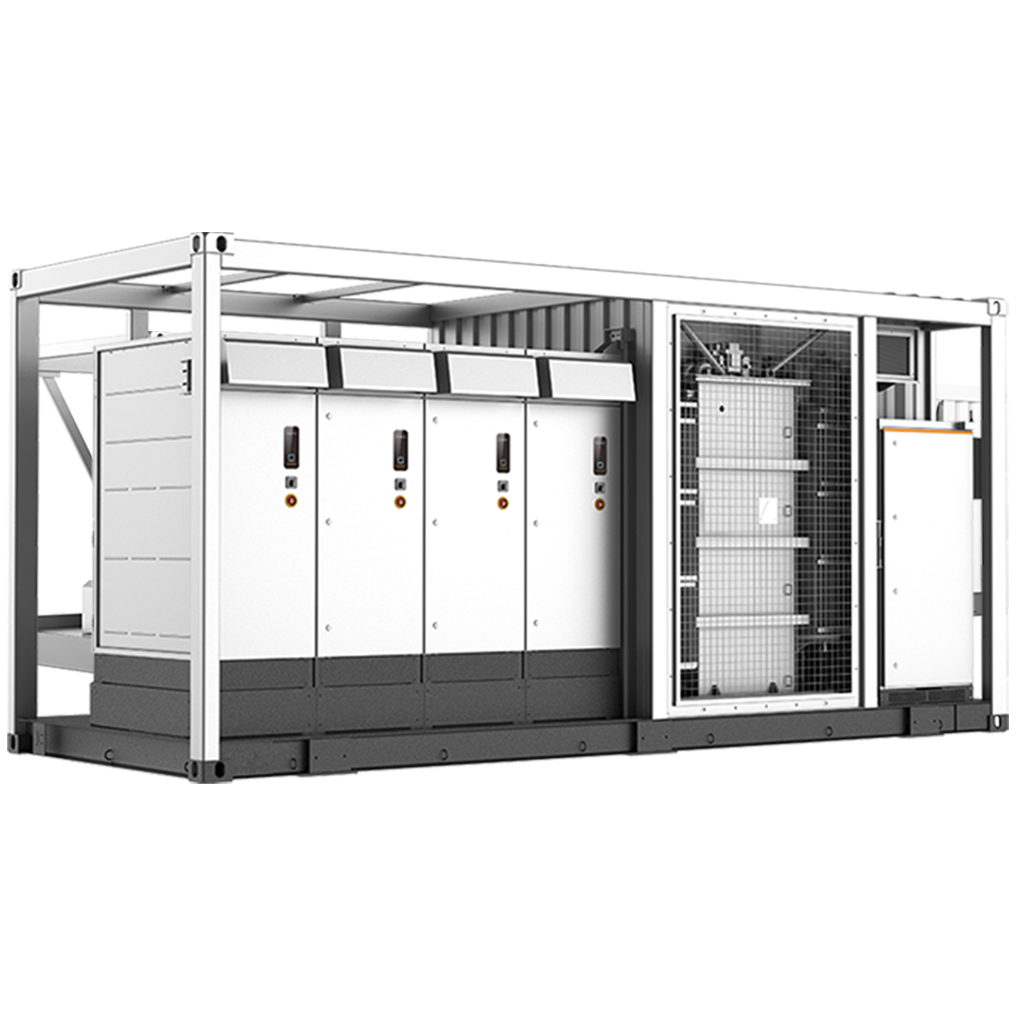
Now we shift forward — technical, precise. When I advise wholesale buyers and EPCs, I push for modularity that’s true modularity: hot-swappable power modules, independent MPPT per string, distributed control and clear fault-isolation zones. A modern modular inverter system should separate the control plane from the power plane; that reduces single-point failures and speeds mean-time-to-repair. From a specs sheet I examine three things closely: inverter topology (centralized vs. distributed), DC/AC conversion efficiency under partial load, and explicit redundancy paths for communication and power — no guessing allowed. In one 2022 farm retrofit we reconfigured the inverter topology and cut unscheduled outages by 38% within six months — measurable, not marketing speak.
Three evaluation metrics I use — pick the right system
When you evaluate vendors, measure these: 1) Repair time under service conditions — how fast can a technician replace a module on-site (minutes, not days)? 2) Fault containment — can the system isolate a failed MPPT or module without taking down adjacent strings? 3) Firmware and commissioning flexibility — does the vendor support on-site updates with local tools and clear rollback? These metrics reveal practical resilience, not just peak numbers. Also—check grid compliance documentation and keep spare modules on-site for the first year.
I’ve learned to prefer straightforward contracts, transparent spare-part lists, and local technical training. We’ve tested many platforms in real installations and the winners combine robust inverter topology with easy serviceability and clear monitoring (no hidden firmware traps). Final note: demand evidence — test logs, not glossy claims. Choose systems that prove lower downtime and faster MTTR. For product support and reliable modular designs I often point colleagues to trusted manufacturers like sungrow.
About the Author